Productivity is more than simply getting more work done in less time. True productivity is about accomplishing meaningful tasks efficiently while maintaining a healthy work-life balance. Whether you’re a student, entrepreneur, freelancer, remote worker, or business owner, improving productivity can help you achieve your personal and professional goals faster.
In today’s digital world, distractions are everywhere. Social media notifications, endless emails, and constant multitasking can make it difficult to focus on what truly matters. Learning the fundamentals of productivity allows you to work smarter, reduce stress, and make better use of your time.
This beginner’s guide explains what productivity is, why it matters, and how you can build productive habits that lead to long-term success.
What Is Productivity?
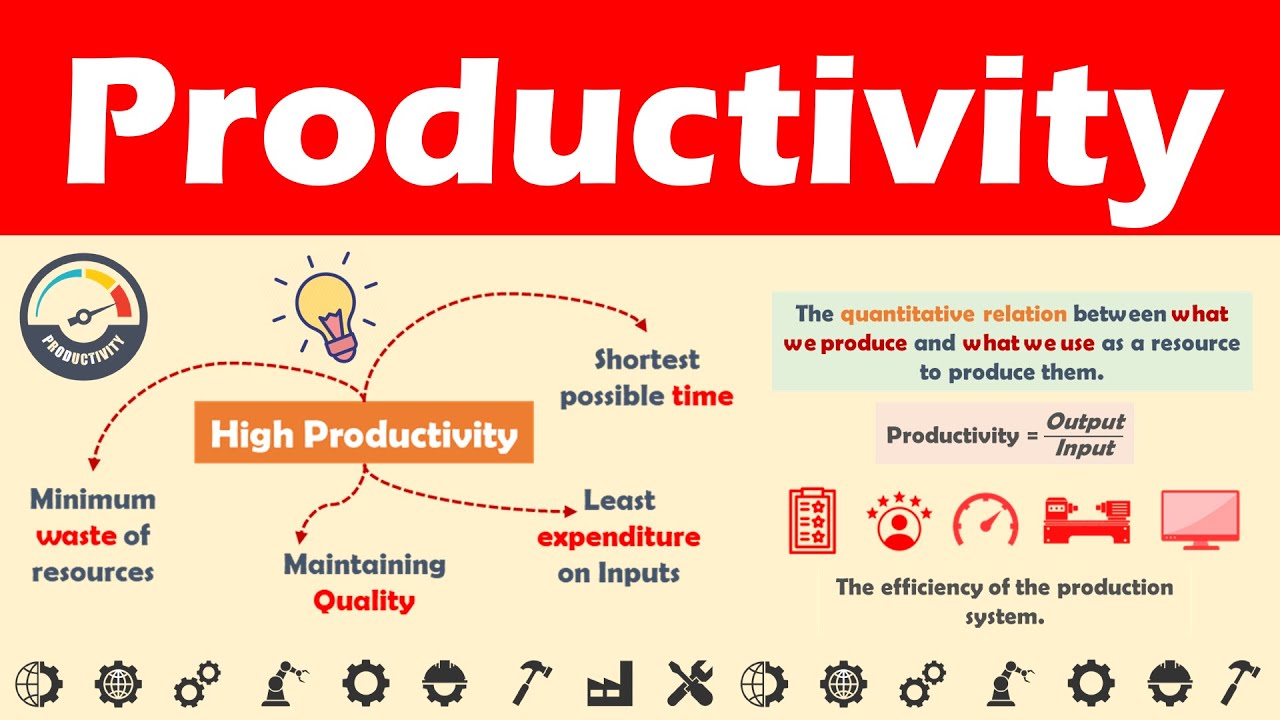
Productivity is the ability to complete valuable tasks efficiently using your available time, energy, and resources.
In simple terms:
Productivity = Meaningful Results ÷ Resources Used
Being productive doesn’t mean staying busy all day. Someone can work for 12 hours and accomplish very little, while another person may complete important work in just 4 hours through effective planning and focus.
Productivity is about maximizing results—not simply increasing activity.
Why Productivity Matters
Improving productivity offers benefits in every area of life.
Personal Benefits
- Better time management
- Reduced stress
- More free time
- Improved confidence
- Better work-life balance
- Increased motivation
Professional Benefits
- Higher quality work
- Better career opportunities
- Increased earnings
- Faster project completion
- Improved teamwork
- Greater job satisfaction
Business Benefits
For businesses, productivity can lead to:
- Higher profits
- Lower operational costs
- Better customer service
- Increased employee satisfaction
- Faster business growth
- Improved efficiency
Productivity vs. Being Busy
Many people confuse being busy with being productive.
| Busy | Productive |
|---|---|
| Constantly working | Working with purpose |
| Multitasking | Prioritizing |
| Reacting to tasks | Planning tasks |
| Long hours | Efficient hours |
| Many unfinished tasks | Important tasks completed |
The goal is not to do more things but to do the right things.
The Pillars of Productivity
Effective productivity is built on several key principles.
1. Clear Goals
Without clear goals, it’s difficult to know where to focus your efforts.
Examples include:
- Completing a project
- Learning a new skill
- Growing a business
- Improving health
- Saving money
Clear goals provide direction and motivation.
2. Effective Time Management
Time is one of your most valuable resources.
Successful people manage their schedules by:
- Planning daily tasks
- Prioritizing important work
- Avoiding unnecessary meetings
- Setting deadlines
- Limiting distractions
3. Focus
Deep concentration allows you to complete work more efficiently.
Ways to improve focus include:
- Turning off notifications
- Working in quiet environments
- Using focus timers
- Completing one task at a time
- Taking regular breaks
4. Energy Management
Your productivity depends on your physical and mental energy.
Maintain energy by:
- Getting enough sleep
- Exercising regularly
- Eating healthy meals
- Staying hydrated
- Taking short breaks
5. Continuous Improvement
Productive people regularly evaluate their systems and look for ways to improve.
Ask yourself:
- What’s working?
- What’s wasting time?
- What can I automate?
- What should I stop doing?
Common Productivity Challenges
Many beginners face similar obstacles.
Procrastination
Delaying important tasks often leads to stress and missed deadlines.
Solution:
Break large tasks into smaller, manageable steps.
Multitasking
Research consistently shows that multitasking reduces efficiency and increases errors.
Instead:
Focus on one task at a time.
Poor Planning
Starting the day without a plan often leads to wasted time.
Create a daily task list before beginning work.
Digital Distractions
Social media, email, and phone notifications interrupt concentration.
Reduce distractions by:
- Turning off unnecessary notifications
- Blocking distracting websites
- Scheduling email checks
- Using Focus Mode on devices
Popular Productivity Methods
Several proven systems can help you stay organized.
Time Blocking
Assign specific blocks of time to different tasks throughout your day.
Example:
- 9:00–10:30 AM: Writing
- 10:30–11:00 AM: Email
- 11:00–12:30 PM: Meetings
Pomodoro Technique
Work for:
- 25 minutes of focused work
- 5-minute break
After four sessions, take a longer break.
This method helps maintain concentration and prevent burnout.
Getting Things Done (GTD)
The GTD system involves:
- Capturing tasks
- Organizing them
- Prioritizing work
- Reviewing regularly
- Completing tasks systematically
Eisenhower Matrix
Divide tasks into four categories:
- Urgent and Important
- Important but Not Urgent
- Urgent but Less Important
- Neither Urgent nor Important
This helps prioritize effectively.
Best Productivity Habits
Small daily habits create lasting improvements.
Good habits include:
- Planning tomorrow today
- Starting with your most important task
- Limiting social media
- Keeping a clean workspace
- Reviewing daily progress
- Reading regularly
- Exercising
- Practicing mindfulness
Consistency is more important than perfection.
Essential Productivity Tools
Technology can help streamline your workflow.
Task Management
- Todoist
- Microsoft To Do
- TickTick
Project Management
- ClickUp
- Asana
- Trello
Note-Taking
- Notion
- Obsidian
- OneNote
Calendar
- Google Calendar
- Outlook Calendar
AI Productivity
- ChatGPT
- Claude
- Gemini
Choose tools that fit your workflow rather than trying to use everything.
Productivity Tips for Beginners
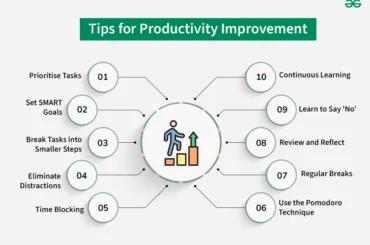
If you’re just getting started, follow these practical tips:
- Set one major goal each day.
- Prioritize your most important task.
- Use a daily planner or digital calendar.
- Eliminate unnecessary distractions.
- Take regular breaks.
- Avoid multitasking.
- Review your progress every evening.
- Automate repetitive tasks where possible.
- Learn keyboard shortcuts to save time.
- Continue improving your daily routine.
Productivity Myths
Myth 1: Busy Means Productive
Reality:
Being busy often means you’re reacting instead of planning.
Myth 2: Multitasking Saves Time
Reality:
Switching between tasks reduces efficiency and increases mistakes.
Myth 3: Successful People Never Rest
Reality:
Rest and recovery improve long-term productivity and creativity.
Myth 4: Productivity Is About Working Longer
Reality:
Working smarter is usually more effective than working longer.
How to Measure Productivity
Track progress using simple metrics such as:
- Tasks completed
- Goals achieved
- Time spent on important work
- Projects completed
- Revenue generated (for businesses)
- Learning milestones
- Weekly reviews
Measuring progress helps identify areas for improvement.
Frequently Asked Questions
What is productivity in simple words?
Productivity is completing meaningful work efficiently while making the best use of your time, energy, and resources.
Why is productivity important?
It helps you achieve goals faster, reduce stress, improve work quality, and create more free time.
What is the best productivity method?
There isn’t a single best method. Many people combine techniques like Time Blocking, the Pomodoro Technique, and Getting Things Done (GTD) to suit their needs.
Can AI improve productivity?
Yes. AI tools can automate repetitive tasks, assist with writing, summarize information, schedule work, and improve overall efficiency.
How can I become more productive every day?
Start by setting clear goals, planning your day, focusing on one task at a time, minimizing distractions, and reviewing your progress regularly.
Final Thoughts
Productivity is not about filling every minute of your day with work. It’s about making intentional choices that help you achieve meaningful results while maintaining balance and well-being. By focusing on clear goals, effective time management, deep focus, and continuous improvement, anyone can become more productive over time.
Remember that productivity is a skill developed through consistent practice. Start with one or two simple habits, experiment with different techniques, and refine your approach as you learn what works best. Small improvements made consistently can lead to significant long-term success in both your personal and professional life.
Frequently Asked Questions (FAQs)
1. What is productivity in simple words?
Productivity is the ability to complete meaningful tasks efficiently while making the best use of your time, energy, and resources. It focuses on achieving better results rather than simply staying busy.
2. Why is productivity important?
Productivity helps you accomplish more in less time, reduce stress, improve work quality, achieve your goals faster, and maintain a healthier work-life balance.
3. What is the difference between productivity and efficiency?
Productivity measures how much valuable work you accomplish, while efficiency focuses on completing tasks using the least amount of time, effort, or resources. High productivity often combines both effectiveness and efficiency.
4. How can I become more productive?
You can improve productivity by setting clear goals, planning your day, prioritizing important tasks, minimizing distractions, using productivity tools, and maintaining healthy daily habits.
5. What are the best productivity techniques?
Some of the most effective productivity methods include:
- Time Blocking
- Pomodoro Technique
- Getting Things Done (GTD)
- Eisenhower Matrix
- Eat the Frog Method
- Deep Work
6. What are the biggest productivity killers?
Common productivity obstacles include procrastination, multitasking, excessive meetings, social media distractions, poor planning, lack of sleep, and constantly checking emails or notifications.
7. Can AI improve productivity?
Yes. AI tools can automate repetitive tasks, summarize documents, generate content, organize notes, schedule meetings, analyze data, and help users complete work more efficiently.
8. What are the best productivity apps?
Popular productivity apps include:
- Notion
- Todoist
- ClickUp
- Trello
- Asana
- Microsoft To Do
- Google Calendar
- Obsidian
The best choice depends on your workflow and personal preferences.
9. How do I stay productive while working from home?
Create a dedicated workspace, establish a daily routine, set clear work hours, reduce distractions, take regular breaks, and use productivity tools to stay organized and focused.
10. Is multitasking good for productivity?
In most cases, no. Multitasking can reduce focus, increase mistakes, and slow down task completion. Focusing on one important task at a time usually leads to better results.
11. How does the Pomodoro Technique improve productivity?
The Pomodoro Technique breaks work into focused 25-minute sessions followed by short breaks. This approach helps maintain concentration, prevents burnout, and makes large tasks feel more manageable.
12. How can I stop procrastinating?
Break large tasks into smaller steps, set realistic deadlines, eliminate distractions, start with the easiest action, and use techniques like Time Blocking or the Pomodoro Technique to build momentum.
13. What daily habits improve productivity?
Helpful habits include planning your day in advance, prioritizing important tasks, exercising regularly, getting enough sleep, limiting distractions, reviewing daily progress, and taking scheduled breaks.
14. How do businesses improve productivity?
Businesses improve productivity by automating repetitive processes, providing employee training, using project management software, setting clear goals, tracking performance metrics, and encouraging effective communication.
15. What is the best way to measure productivity?
You can measure productivity by tracking completed tasks, project deadlines, goal achievement, output quality, time spent on high-value work, and overall progress toward personal or business objectives.
Schema Markup Recommendation
To increase your chances of earning Google FAQ rich results (where supported) and to provide structured data for search engines, add FAQPage Schema to this section using JSON-LD.
These FAQs are optimized for keywords such as:
- What is productivity
- Productivity meaning
- How to be productive
- Productivity tips
- Productivity techniques
- Best productivity methods
- Productivity apps
- AI productivity
- Time management
- Work productivity