

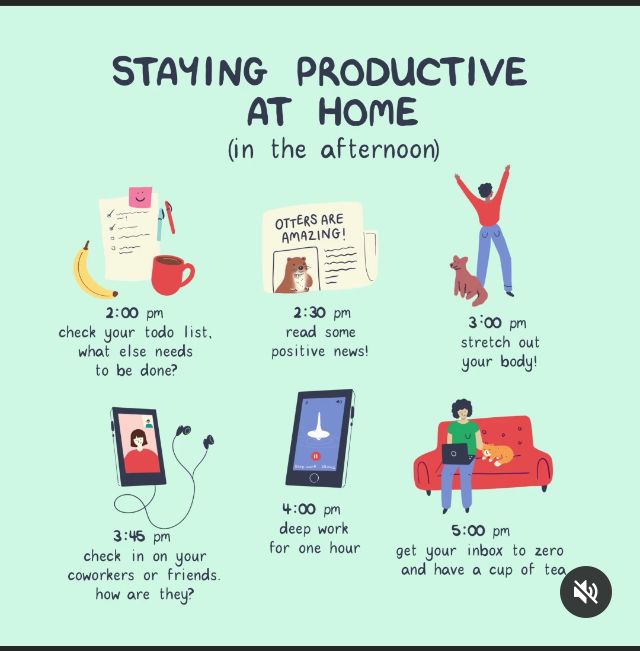
A productive day rarely happens by accident. Behind people who consistently get things done, feel less stressed, and still have energy left at the end of the day is usually one simple thing: a routine that works with their brain and body instead of against them.
The good news is that building a productive routine isn’t about waking up at 5 a.m., cramming your calendar with tasks, or following someone else’s rigid formula. It’s about designing a rhythm that fits your life, your energy patterns, and your goals — and then sticking with it long enough for it to become automatic.
Here’s a practical, step-by-step approach to building one that actually lasts.
1. Start With Your Energy, Not Your Clock
Most people build routines around the clock — “I’ll work from 9 to 5” — instead of around their actual energy levels. But your brain doesn’t perform the same way at every hour.
Spend a few days simply noticing:
- When do you feel sharpest and most focused?
- When does your energy dip?
- What time of day do you usually feel most creative vs. most drained?
Once you know your natural peaks and valleys, you can assign the right kind of work to the right time — deep work during peak focus, admin tasks during the dips, and rest when your energy naturally drops.
2. Anchor Your Day With Fixed Points
A routine needs a backbone. Rather than planning every minute, pick 3–4 fixed “anchor” times that stay consistent every day, such as:
- Wake-up time
- A morning routine block (even 15–20 minutes)
- A midday break
- A wind-down time before bed
These anchors create structure without over-scheduling, and they make it much easier to slot in flexible tasks around them.
3. Design a Simple Morning Routine
Mornings set the tone for everything that follows. You don’t need an elaborate 2-hour ritual — you need a few small, repeatable actions that get your mind and body ready for the day. A strong morning routine often includes:
- Hydration and movement (even a short walk or stretch)
- A few minutes of planning — reviewing your top 1–3 priorities for the day
- Avoiding your phone and email for the first 20–30 minutes
The goal isn’t perfection — it’s consistency. A short, repeatable routine beats an ambitious one you abandon after three days.
4. Use the “Rule of Three” for Daily Priorities
Long to-do lists create decision fatigue and a false sense of progress. Instead, each morning (or the night before), identify just three priorities — the tasks that would make the day feel successful even if nothing else got done.
This keeps your focus sharp and prevents your day from being hijacked by low-value busywork that feels productive but isn’t.
5. Time-Block Your Calendar
Once you know your priorities and energy patterns, block specific chunks of time for specific tasks. Time-blocking works because it:
- Forces realistic estimates of how long things actually take
- Reduces multitasking and context-switching
- Creates visual accountability for your day
A simple structure might look like:
- Morning: Deep, focused work (your top priority task)
- Midday: Meetings, collaboration, communication
- Afternoon: Lower-energy tasks, admin, follow-ups
- Evening: Wind-down, reflection, planning for tomorrow
6. Build in Real Breaks
Productivity isn’t about nonstop output — it’s about sustainable output. Short breaks between focused work sessions (like the Pomodoro Technique’s 25-minutes-on, 5-minutes-off cycle) help maintain concentration and prevent burnout.
Longer breaks matter too. Stepping away from your desk for lunch, getting outside for a few minutes, or simply closing your eyes for five minutes can restore focus far more effectively than pushing through fatigue.
7. Protect a Wind-Down Routine
How you end your day affects how well you start the next one. A short evening routine — reviewing what you accomplished, jotting down tomorrow’s top three priorities, and stepping away from screens before bed — helps your mind transition out of “work mode” and supports better sleep, which is the foundation of every productive day that follows.
8. Expect Imperfection — and Build Flexibility Into the System
No routine survives contact with real life unchanged. Meetings run long, emergencies come up, energy dips unexpectedly. A productive routine isn’t a rigid schedule you either follow perfectly or fail — it’s a flexible framework you return to.
Build in buffer time between tasks, and give yourself permission to adjust the routine as you learn what actually works. The goal is progress and consistency, not perfection.
9. Review and Adjust Weekly
Set aside 10–15 minutes once a week to review how your routine performed:
- What worked well?
- What consistently got skipped or rushed?
- Where did energy or focus break down?
Small, iterative adjustments — shifting a task to a different time slot, shortening a routine that feels bloated — compound over weeks into a system that fits your life far better than any generic template ever could.
The Bottom Line
A productive daily routine isn’t about willpower or rigid discipline — it’s about designing your day around how you actually work best, anchoring it with a few consistent habits, and giving yourself room to adjust as you go. Start small, stay consistent, and let the routine evolve with you rather than trying to force yourself to fit a routine that doesn’t.
